
Gnosticism and the Book of Colossians
GNOSTICISM AND THE BOOK OF COLOSSIANS
Virgil Warren, PhD
 spirit = good Evil/sin was defined
as a kind of being/
spirit = good Evil/sin was defined
as a kind of being/
 1. Dualism “stuff”
rather than a way of acting.
1. Dualism “stuff”
rather than a way of acting.
matter = evil
2. Mankind is a mixture of spirit and matter and Two attitudes toward the flesh were then
therefore of good and evil. adopted: asceticism, which deprived the
flesh; and hedonism, which satiated the
flesh.
3. Salvation became the task of “unmixing” the In Christianity the task is overcoming
the evil and good in man by unmixing the spirit separation between persons and other
and the flesh (matter). This process was undesirable effects by overcoming the effect
accomplished by knowing the secret informa- of past evil actions and by changing such
tion that certain ones claimed to know so actions into good ones. The change occurs
that a human being could move into higher by acting—specifically repentance and
realms that had progressively higher propor- forgiveness and commitment to changed
tions of spirit to matter until the realm behavior.
of pure spirit was entered.
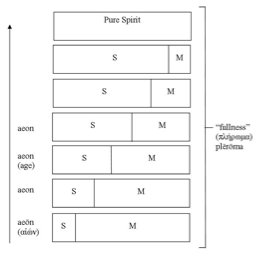
When Gnostic thought tried to mix Christianity into its scheme of things, it made Jesus the ruler (ἄρχων; 1:16, 18) of one of the realms, or aeons, within the full pleroma. Another aberration was that morality ceased to be a “theological” concern since state of being rather than manner of behavior became the issue.
What Paul does in imaging the gospel in the functional equivalents of Gnosticism includes the use of mystery (μυστήριον). According to Paul, the real mystery was that Gentiles as Gentiles have access to fellowship with God through Jesus Christ (1:26-27; 2:2; 4:3). This use of mystery appears also in the companion letter to the Ephesians (3:4-6). The mystery religions, which played on the Gnostic theme (γνῶσις; 1:9-10, 27), catered to intellectual/informational exclusivism; but Christ is for all people (Ephesians 3:14-16; cp. Isaiah 55; 60:1-3; the Book of Jonah; and Acts 15:16-18 < Amos 9:11-12).
christir.org