
Types of Systems
TYPES OF SYSTEMS
Virgil Warren, PhD
Not all systems are alike. They often operate in respect to different kinds of matters, but the main contrast lies in the kinds of connectors in them that bind actions to results. Below are three types of systems that illustrate this diversity. We outline them here in order to clarify what causes people to differ so intensely about the role of Christian baptism in the salvation process. Basically what happens is that at various points in their total understanding of baptism they are shifting baptism back and forth between different systems without realizing it.
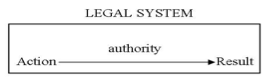
In America, when someone wants to pass on property to other people after his death, he must sign his name to a document that specifies who receives what. He must put his signature on it in the presence of official witnesses and the matter is arranged. The reason there is a connection between that piece of paper and the ownership of that property by some specified friend or relative is that the authority of the law makes it so and makes it occur.
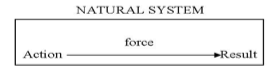
If someone leans out of a second-story window and turns a bucket of water upside down, the barking dog below gets wet. A natural force made the connection between the upside-down bucket and the wet dog.
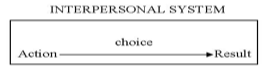
A neighbor may offer to mow your lawn while you are on vacation if you will stop and visit his aging parents in a town along your route. The reason there is a connection between your visiting his parents and his mowing your lawn is that he made a choice to connect these acts this way. In this case he has in effect said, “If you do me a favor, I’ll do you a favor.”
The biggest difficulty in understanding baptism comes from confusing the type of system Christianity is with other types of systems Christianity is not. People experience this confusion first because they do not consciously remember that these different kinds of systems do exist. Secondly, they do not consciously remember that different kinds of things make these different systems run. The points of similarity overshadow their crucial differences. Actions and results occur in all three systems, and actions plus results normally occur in a sequence in all of them.
But since the kinds of connectors differ, the kinds of connections differ, so that the meaning of the actions that precede these connections differ, and the manner in which the result comes also differs. Consequently, the type of necessity for the actions themselves differ.
Applying these observations to the meaning and necessity of Christian baptism is crucial. Baptism is an act and remission is a result. Confusing the kind and manner of connection between baptism and remission leads to misunderstanding the type of meaning and necessity the baptism act has. The confusion stems from reading this interpersonal sequence as if it were a natural or legal one. The confusion unconsciously transfers to Christian baptism the kind and manner of connection and the type of meaning and necessity that belongs to the other two systems.
christir.org